Imagine a warm kitchen filled with the rich aroma of freshly baked bread that has a thick golden crust and a soft airy center. This recipe is all about making the easiest loaf of sourdough bread you will ever encounter, which we lovingly call the unloaf. It is a wonderful method that completely removes the need for any of the traditional hand movements like stretching and folding the dough every thirty minutes. Instead of spending your entire afternoon tied to a kitchen timer, this recipe relies on the simple magic of time to build the structure of the bread for you. You do not need to be an expert baker or have years of experience with sourdough to achieve a gorgeous loaf of bread that looks like it came from a rustic bakery in Europe. By letting the dough rest quietly overnight, the gluten networks form completely on their own without any physical effort on your part. This means you can go to sleep and let your sourdough starter do all of the hard work while you get a good night of rest. It is a stress free approach to baking that brings the joy back into the kitchen, allowing you to enjoy homemade bread without any of the anxiety.
People absolutely love this recipe because it takes away the intimidation factor that so often surrounds the world of sourdough baking. Many beginners feel overwhelmed when they read about complex baking schedules, hydration percentages, and the precise physical techniques required to shape a standard loaf. The unloaf method strips away all of that complexity and leaves you with a simple, straightforward process that is highly forgiving and consistently successful. Busy parents, working professionals, and anyone with a packed schedule can finally fit sourdough baking into their lives because it requires less than fifteen minutes of active hands on time. There is a deep sense of satisfaction in knowing that you can create a beautiful piece of food using only flour, water, salt, and wild yeast. It makes people feel incredibly capable and connected to the ancient art of bread making without requiring them to sacrifice their entire weekend to stand over a mixing bowl. This is the kind of recipe that you will want to share with all of your friends because it feels like a wonderful secret that makes healthy eating accessible to everyone.
The perfect time to make this unloaf sourdough is when you are craving a comforting kitchen project that does not demand your constant attention or energy. You might choose to mix the ingredients together on a rainy evening when you want to slow down and enjoy the quiet comforts of your home. The deep, tangy flavor of slow fermented sourdough is incredibly satisfying, and eating a slice of warm bread with a pat of fresh butter is a simple pleasure that can instantly improve your mood. For those who are focused on fitness and health, this bread is a fantastic choice because the long fermentation process makes the nutrients in the flour much easier for your body to absorb. The wild yeast and beneficial bacteria work together to break down the heavy starches and gluten, which means this bread is much gentler on your digestive system than quick rise yeast breads from the grocery store. It is a wonderful way to nourish your body with wholesome, clean ingredients while still enjoying a rich and savory treat that feels like a true indulgence. Whether you want to make a special weekend breakfast for your family or simply want a healthy sandwich bread for the week ahead, this recipe fits your life beautifully.
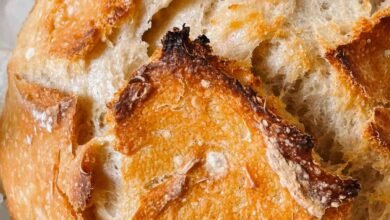
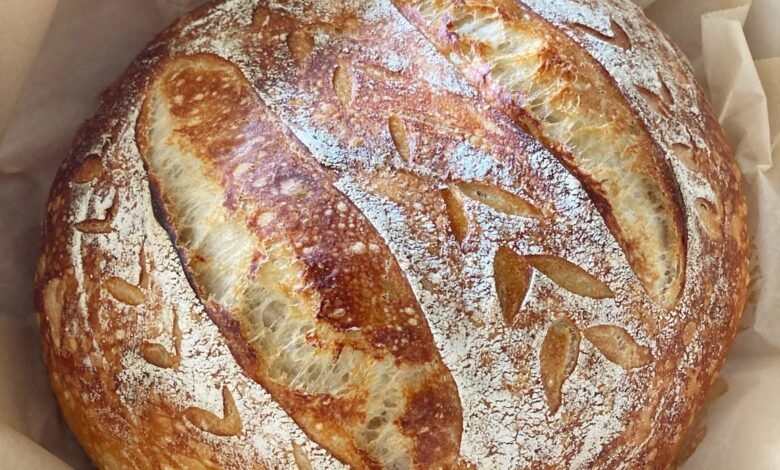
When you take this golden loaf out of the oven, you will feel a wave of pride as you listen to the crust crackle and sing as it begins to cool on your counter. The beauty of the unloaf lies in its rustic and natural appearance, which celebrates the unique path that your dough took during its long, quiet rise. This recipe is a gentle reminder that some of the best things in life cannot be rushed and that patience often yields far better results than constant effort and worry. It allows you to build a friendly relationship with your sourdough starter, learning to trust the natural processes of fermentation rather than relying on strict rules and rigid schedules. Once you experience how easy it is to make bread this way, your entire outlook on home baking will change, and you will find yourself keeping a bowl of dough rising on your counter almost every single week. It is a delicious journey that begins with a simple mix of ingredients and ends with a beautiful, nourishing loaf that you will be incredibly proud to slice and serve to the people you love most in the world.
Ingredients You Will Need
To make this simple unloaf sourdough bread, you will only need a few basic ingredients that you likely already have in your kitchen. Make sure your ingredients are fresh and that your sourdough starter is active and bubbly before you begin mixing.
-
Active sourdough starter: 100 grams (about half a cup of active, bubbly starter)
-
Warm water: 350 grams (about one and a half cups of filtered water, not too hot)
-
Unbleached bread flour: 500 grams (about four cups of high quality bread flour)
-
Fine sea salt: 10 grams (about two teaspoons of fine salt)
-
Extra flour: 20 grams (for dusting the top of the dough before baking)
Step by Step Method
Making this bread is incredibly simple, and we will walk through each step together so you feel completely confident from start to finish.
First, you need to make sure your sourdough starter is fully active and ready to bake. You can check this by feeding your starter a few hours before you plan to mix the dough, waiting until it has doubled in size and looks very bubbly and light.
Once your starter is active, take a large mixing bowl and place it on your kitchen scale. Pour in the 350 grams of warm water, making sure the water is comfortable to the touch but not hot, as hot water can hurt the wild yeast in your starter. Add the 100 grams of active sourdough starter directly into the water, and use a fork or a whisk to mix them together until the starter is mostly dissolved and the liquid looks milky.
Next, add the 500 grams of unbleached bread flour and the 10 grams of fine sea salt directly into the bowl with your wet ingredients. Use a sturdy spoon, a spatula, or even your clean hands to mix everything together until all of the dry flour is fully incorporated into the wet dough. You do not need to knead the dough or make it look smooth at this stage; it will look quite shaggy, wet, and sticky, which is exactly how it is supposed to look.
Cover the mixing bowl tightly with a piece of plastic wrap, a damp kitchen towel, or a reusable silicone lid to keep the moisture inside the bowl. Now, place the bowl in a warm corner of your kitchen and let it rest undisturbed for twelve to eighteen hours, which is often done overnight while you sleep.
During this long rest, a beautiful process called autolysis occurs naturally, where the flour absorbs the water and the gluten strands build themselves without any stretching or folding. When you wake up the next morning, you will notice that the dough has doubled in size, looks very puffy, and is covered in tiny bubbles on the surface.
When you are ready to bake, place your Dutch oven or a heavy covered baking pot inside your oven and preheat it to 450 degrees Fahrenheit, allowing the pot to get extremely hot for about forty five minutes. While the oven is heating, gently tip your puffy dough out of the bowl onto a piece of parchment paper, using a spatula to help it slide out smoothly without popping too many of the delicate air bubbles inside.
Since we are not doing any complex shaping, you can simply use your hands to gently pat the dough into a rough round shape on the parchment paper, keeping it as rustic as you like. Dust the top of the dough with a thin layer of extra bread flour, which will give it a beautiful contrast against the dark golden crust once it is baked.
Use a very sharp knife or a razor blade to score a single long cut across the top of the dough, which allows the steam to escape and helps the bread rise beautifully in the oven. Carefully lift the parchment paper by its edges and lower the dough, paper and all, into the hot Dutch oven, taking great care not to touch the hot sides of the pot.
Place the lid back on the hot pot and bake the bread at 450 degrees Fahrenheit for thirty minutes, which traps the steam inside and allows the bread to rise to its full potential while keeping the interior moist. After thirty minutes, carefully remove the lid from your pot to reveal the pale, rising loaf, and continue baking uncovered for another fifteen to twenty minutes until the crust turns a deep, beautiful golden brown.
Once the baking time is complete, carefully lift the bread out of the pot using the parchment paper and place it on a wire cooling rack to cool down. It is highly recommended to wait at least one hour before slicing into your warm loaf, as the bread is still finishing its cooking process on the inside while it cools, and slicing too early can make the crumb feel gummy.
Why This Recipe Is Special
This unloaf sourdough recipe is truly special because it brings the joy of artisan baking to absolutely everyone without the stress and time commitment of traditional methods. By eliminating the stretch and fold steps, we allow the natural science of fermentation to do the work, resulting in a loaf that is just as delicious as more complicated recipes. The long, slow rise at room temperature gives the wild yeast and lactic acid bacteria plenty of time to develop deep, complex flavors that you simply cannot get from fast rising commercial yeast. This process creates a wonderful lactic acidity that gives the bread its signature tangy flavor while keeping the inside of the loaf incredibly moist and tender.
From a health perspective, this slow rise method is a game changer for anyone who struggles with digesting standard wheat products. The extended fermentation time allows the natural enzymes to break down the complex starches and proteins in the flour, making it much easier for your body to process. Many people find that they can enjoy this type of sourdough without the bloating or discomfort that they usually experience after eating commercial white bread. Additionally, the wild fermentation helps to lower the glycemic index of the bread, meaning it will not cause a rapid spike in your blood sugar levels and will keep you feeling full and satisfied for a longer period of time.
The texture of this unloaf is also incredibly unique, featuring a wonderful combination of a crispy, crackly crust on the outside and a soft, chewy crumb on the inside. Because we do not overwork the dough with heavy kneading, the air bubbles are preserved beautifully, creating a rustic and open structure that is perfect for holding butter, honey, or olive oil. It is a genuine, wholesome food that contains no artificial additives, preservatives, or sugars, allowing you to feed your family with complete peace of mind. This recipe celebrates simplicity and proves that with just a little patience, you can create a high quality loaf of bread that nourishes both your body and your soul.
Extra Tips for Better Taste
If you want to add some fun and creative twists to your unloaf sourdough, there are many simple ingredients you can fold into the dough during the initial mixing stage. For a savory and aromatic option, you can add a handful of fresh chopped rosemary and some minced garlic, which will infuse the entire loaf with a wonderful herbal flavor as it bakes. Cheese lovers can gently mix in a cup of cubed cheddar cheese and some sliced jalapenos to create a spicy and gooey bread that is perfect for making grilled cheese sandwiches. If you prefer a slightly sweeter loaf, you can add a half cup of dried cranberries and some orange zest, which pairs beautifully with the natural tang of the sourdough.
Another great tip for improving the flavor and crust of your bread is to experiment with different types of flour in your dough mixture. You can replace fifty grams of the bread flour with whole wheat flour or rye flour to give your loaf a deeper, nuttier taste and a more rustic texture. To get an even crispier crust, you can throw a couple of ice cubes into the hot Dutch oven underneath the parchment paper right before you put the lid on, which creates extra steam during the first part of the bake. Always make sure to store your leftover bread in a paper bag or a clean kitchen towel rather than plastic, which helps to preserve the crispy texture of the crust for several days.
Final Thoughts
Baking your own bread is one of the most rewarding things you can do in your kitchen, and this unloaf sourdough makes the process completely accessible and fun. It shows us that we do not need to follow complicated rules to create something truly delicious and nourishing for ourselves and our families. We hope this simple method gives you the confidence to start your baking journey and brings many warm, cozy moments to your home. There is nothing quite like the feeling of sharing a fresh, handmade loaf of bread with the people you love, so take your time, enjoy the process, and happy baking.
Nutrition Details
The following table provides the approximate nutritional information for one serving of this delicious unloaf sourdough bread, based on a single loaf cut into ten equal slices.
Disclaimer
Please keep in mind that everyone has a unique body and digestive system, so individual experiences with sourdough bread may vary from person to person. While many people find that slow fermented sourdough is much easier to digest than standard bread, this recipe may not be suitable for individuals with severe gluten sensitivities or celiac disease. You should always listen to your own body and consult with a medical professional or a qualified nutritionist if you have specific dietary concerns or health conditions. This article is written for educational and enjoyment purposes only and should not be taken as professional medical advice.