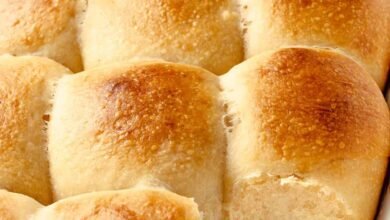
Homemade Sourdough Perogies
Sourdough perogies are an amazing home style meal that blends old world dumpling traditions with modern sourdough discard baking. A perogi is a tender, savory pocket made of soft dough, folded tightly around a flavorful potato and cheese center, then boiled and pan fried in golden butter until crisp. In this specific recipe, we take standard dumpling dough and elevate it by incorporating tangy sourdough starter or leftover unfed sourdough discard. The active wild yeast and natural good bacteria inside the sourdough starter gently tenderize the dough, giving it a delicious subtle tang and an incredibly supple texture that rolls out smoothly without springing back. When you cook these handmade pockets, you get a beautiful golden brown crust on the outside while keeping the inside pillowy, light, and packed with warm, savory filling. This recipe transforms simple pantry staples like flour, water, butter, potatoes, and sour cream into a restaurant quality comfort dish that looks and tastes like a true labor of love. It is designed specifically for home cooks of all skill levels, meaning you do not need any special baking equipment or advanced chef skills to roll out perfect circles and seal them cleanly. You will learn how to balance the richness of sharp cheddar cheese and creamy mashed potatoes with the light acidity of sourdough, creating a meal that feels both deeply comforting and surprisingly refreshing. By taking the time to make this dish from scratch, you bring a rich culinary tradition straight into your modern home kitchen, filling your house with the unforgettable smell of melting butter and sweet browned onions.
People absolutely fall in love with homemade sourdough perogies because they offer a deep depth of flavor that store bought frozen dumplings simply can never replicate. The natural fermentation of the sourdough starter cuts through the heavy creaminess of the potato and cheese filling, giving every bite a perfectly balanced profile that leaves you craving another piece. Food lovers also cherish the contrast of textures in this dish, from the delicate crunch of the butter fried outer skin to the silky, smooth, melting cheese center that warms you from the inside out. Home cooks especially appreciate how practical this recipe is because it provides a creative and tasty way to use up sourdough discard instead of throwing it down the kitchen sink. Families love gathering in the kitchen to make these together, transforming dinner preparation into a fun group activity where everyone can help roll dough, drop spoonfuls of filling, and fold the pocket edges shut. Children and adults alike adore the satisfying combination of crispy onions, creamy filling, cool sour cream, and rich butter that makes every single plate feel like a special occasion. It is also an amazingly affordable meal that feeds a hungry family on a small budget, using simple everyday ingredients that you likely already keep stocked in your refrigerator and pantry. Furthermore, these dumplings are wonderfully versatile, allowing you to customize the filling to fit any taste preference, dietary need, or seasonal ingredient you happen to have available. Once people try making their own sourdough perogies at home, it quickly becomes a requested family favorite recipe for lazy weekends, winter holidays, and cozy dinner parties.
Making sourdough perogies is the ultimate choice when you want to wrap yourself or your loved ones in pure emotional warmth and hearty comfort on a cold evening or a restful weekend afternoon. The therapeutic, slow process of kneading soft dough, mashing warm potatoes, and pinching dumplings shut allows you to unwind from a stressful work week and reconnect with the simple joy of mindful cooking. From a fitness and health perspective, choosing sourdough dough over quick processed flour dough offers genuine advantages for your digestive system and overall gut wellness. The natural fermentation process breaks down complex gluten structures and phytic acid in the wheat flour, making these dumplings significantly easier to digest and gentler on sensitive stomachs. This means you can enjoy a hearty plate of classic comfort food without feeling uncomfortably heavy, bloated, or sluggish afterward, giving you clean and lasting energy for your day. It is also the ideal meal to prepare when you want to meal prep in advance, since shaped perogies freeze exceptionally well and can be cooked directly from frozen in less than fifteen minutes. Whether you are hosting a festive gathering for friends, cooking a romantic dinner for two, or simply stocking your freezer for busy weeknights, this recipe brings both practical convenience and deep satisfaction. Celebrating seasonal autumn harvests or chilly winter days with a warm pan of caramelized onions and sourdough dumplings creates lasting kitchen memories that stay with your family for years to come. Choosing real, whole food ingredients over processed factory meals gives you complete control over what goes into your body, making this a healthy, nourishing choice for both mind and body.
If you are a beginner who has never worked with sourdough dough before, there is absolutely no need to feel nervous or intimidated by this simple process. Sourdough dough is surprisingly forgiving, flexible, and easy to handle, making it one of the absolute best recipes for building your kitchen confidence. This detailed guide walks you through every single step in clear, simple language, ensuring that your dough turns out soft, elastic, and super easy to shape without tearing. You do not need any fancy tools, expensive standing mixers, or special baking skills; a standard rolling pin, a simple round glass or cookie cutter, and a basic pot are all you need. Even if your shaped dumplings do not look like perfect factory made circles on your very first attempt, they will still cook up golden, tender, and incredibly tasty. Embrace the rustic, unique shapes that come from hand rolling your own food, because those charming imperfections are the exact mark of authentic home cooking. Grab your apron, clear off your kitchen counter, turn on some relaxing music, and get ready to enjoy one of the most rewarding culinary experiences you can have at home. In the sections below, you will find exact ingredient measurements, clear cooking instructions, helpful flavor tips, nutrition facts, and practical advice to guarantee success. Let us take this exciting cooking journey together step by step and create a batch of hot, golden sourdough perogies that your family will rave about for weeks to come.
Ingredients You Will Need
To make these delicious sourdough perogies from scratch, you will need a handful of basic, wholesome ingredients. We have separated the ingredient list into three logical sections so you can easily organize your kitchen counter before you begin cooking.
For the Tender Fermented Sourdough Dough:
-
2 cups all purpose flour (plus 2 to 3 tablespoons extra for dusting your rolling surface)
-
1 cup sourdough starter or sourdough discard (at room temperature, either active or unfed)
-
1/2 cup sour cream (full fat sour cream works best to make the dough tender and soft)
-
1 large egg (at room temperature, helps bind the dough ingredients smoothly)
-
1 teaspoon fine sea salt (enhances the overall flavor profile of the wheat dough)
-
2 tablespoons unsalted butter (melted and cooled slightly so it does not cook the egg)
-
2 tablespoons warm water (kept nearby to add tablespoon by tablespoon if your dough feels dry)
For the Savory Potato and Cheese Filling:
-
4 medium russet potatoes (peeled and cut into equal small cubes for quick boiling)
-
1 cup sharp cheddar cheese (finely grated so it melts evenly into warm mashed potatoes)
-
1/2 cup yellow onion (very finely diced so it softens completely while cooking)
-
2 tablespoons unsalted butter (used for sautéing the diced onions until golden)
-
1/4 cup sour cream or cream cheese (adds luxurious creaminess to the potato mixture)
-
1/2 teaspoon fine sea salt (adjust to suit your personal taste preference)
-
1/4 teaspoon freshly ground black pepper (provides a soft background warmth)
-
1/4 teaspoon garlic powder (optional, adds a subtle savory boost)
For Pan Frying and Topping:
-
4 tablespoons unsalted butter (essential for pan frying the perogies to a crisp finish)
-
1 large yellow onion (sliced into thin, long ribbons for sweet caramelized topping)
-
1/2 cup extra sour cream (served cool at the dinner table for dipping)
-
2 tablespoons fresh chives or green onions (finely chopped for a bright green finish)
-
1/4 cup crispy bacon bits (optional, adds extra crunch and smoky flavor)
Understanding Your Ingredients:
Choosing the right type of flour makes a noticeable difference in your final dumpling texture. Unbleached all purpose flour provides the ideal amount of protein, giving the dough enough strength to hold heavy filling while remaining tender when boiled. Sourdough discard is simply starter that you would normally throw away before feeding your colony, making this recipe exceptionally zero waste and environmentally conscious. The high acidity in sour cream acts as a natural dough relaxer, breaking down gluten tension so you can roll the dough out thin without it shrinking back toward the center. Russet potatoes are ideal for filling because their starchy nature creates a fluffy, light mash that absorbs butter and cheese without turning gummy or watery. Sharp cheddar cheese brings a bright, punchy note that stands out against the rich potato mash, though you can substitute mild cheddar, farmer cheese, or gruyere if you prefer a different flavor profile.
Step by Step Method
Follow these clear, beginner friendly steps to create perfect homemade sourdough perogies from start to finish. Take your time with each stage and enjoy the rewarding process of making food from scratch.
Step 1: Mixing the Sourdough Dough
-
In a large mixing bowl, whisk together the 2 cups of all purpose flour and 1 teaspoon of fine sea salt until evenly distributed.
-
In a separate medium mixing bowl, combine 1 cup of room temperature sourdough discard, 1/2 cup of full fat sour cream, 1 large egg, and 2 tablespoons of melted, cooled butter. Whisk until the liquid mixture is smooth and uniform.
-
Make a small well in the middle of the flour mixture and pour in the wet sourdough mixture.
-
Use a sturdy wooden spoon or rubber spatula to stir from the center outward, slowly drawing the dry flour into the wet ingredients until a rough, shaggy dough forms.
-
Touch the dough with your fingertips. If it feels excessively sticky, sprinkle in 1 extra tablespoon of flour. If there are dry flour pockets at the bottom of the bowl that will not bind, add warm water 1 tablespoon at a time until all flour clings together.
Step 2: Kneading and Resting the Dough
-
Dust a clean kitchen countertop lightly with all purpose flour.
-
Turn the shaggy dough ball out onto the floured surface.
-
Knead the dough gently for 5 to 7 minutes. To knead, push the dough forward with the heel of your palm, fold it back over itself, turn it a quarter turn, and repeat.
-
Continue kneading until the dough becomes smooth, elastic, and soft to the touch, feeling similar to soft play dough or an earlobe.
-
Shape the dough into a smooth ball. Wrap it tightly in plastic wrap or place it under an inverted mixing bowl on the counter.
-
Let the dough rest at room temperature for 30 to 60 minutes. This resting phase is extremely critical because it allows the gluten to relax completely and lets the sourdough culture hydrate the flour, making the dough dreamily soft to roll later.
Step 3: Preparing the Savory Potato Filling
-
While your dough is resting, place the peeled and diced russet potatoes into a large pot.
-
Cover the potatoes with cool tap water until the water rests at least one inch above the potato cubes. Add a generous pinch of salt.
-
Place the pot over medium high heat and bring it to a rolling boil. Cook the potatoes for 12 to 15 minutes, or until a fork easily pierces a potato cube without resistance.
-
While the potatoes cook, place a small skillet over medium heat and melt 2 tablespoons of butter.
-
Add the 1/2 cup of finely diced yellow onion to the skillet. Cook for 6 to 8 minutes, stirring occasionally, until the onions turn soft, translucent, and sweet. Set aside.
-
Drain the cooked potatoes completely in a colander and let them sit for 2 minutes so excess steam escapes.
-
Return the hot potatoes to the warm pot or a large bowl. Mash them thoroughly using a potato masher until no lumps remain.
-
Stir in the sautéed onions, 1 cup of finely grated sharp cheddar cheese, 1/4 cup of sour cream, 1/2 teaspoon of fine sea salt, 1/4 teaspoon of black pepper, and garlic powder.
-
Mix vigorously until the cheese melts completely into the warm potatoes, creating a smooth, rich filling. Taste and add a pinch more salt if needed.
-
Allow the potato filling to cool down completely to room temperature before assembling your dumplings. Cold or cool filling holds its shape better and keeps the dough from softening too quickly.
Step 4: Rolling and Cutting the Dough Circles
-
Unwrap your rested sourdough dough and divide it into two equal halves using a knife or bench scraper. Work with one half at a time while keeping the second half covered so it stays moist.
-
Lightly flour your rolling pin and work counter.
-
Roll out the dough half gently, starting from the center and pushing outward in all directions.
-
Continue rolling until the dough sheet is about 1/8 inch thick, which is roughly the thickness of a standard coin.
-
Take a 3 inch round glass, biscuit cutter, or cookie cutter and press straight down into the dough sheet to cut out clean circles. Avoid twisting the cutter so the dough edges remain open and easy to seal.
-
Gather the leftover dough scraps, press them gently into a ball, cover them with wrap, and let them rest for 10 minutes before rerolling them to cut additional circles.
Step 5: Filling and Sealing the Perogies
-
Pick up one dough circle and hold it comfortably in the palm of your non dominant hand.
-
Place 1 rounded tablespoon of cooled potato cheese filling directly in the center of the dough circle. Be careful not to let filling touch the outer edges of the dough circle, as grease can prevent a tight seal.
-
Fold the top half of the dough circle over the potato filling to meet the bottom half, creating a neat half moon shape.
-
Pinch the edges together firmly between your thumb and forefinger, moving from one corner all the way around to the opposite corner. Make sure no air bubbles are trapped inside and the seal is tight.
-
For extra security and classic visual charm, press the tines of a fork along the sealed rounded edge to form decorative ridges.
-
Place the sealed perogi onto a baking sheet lined with parchment paper and lightly dusted with flour. Repeat this process until all dough circles and filling are used up.
Step 6: Boiling the Fresh Perogies
-
Fill a large stockpot three quarters full with water and add 1 tablespoon of salt.
-
Place the pot over high heat and bring the water to a rapid rolling boil.
-
Carefully lower 6 to 8 perogies into the boiling water one by one. Avoid crowding the pot so the dumplings cook evenly and do not stick together.
-
Give the boiling water a gentle swirl with a wooden spoon right after dropping the dumplings to prevent them from resting on the bottom of the pot.
-
Cook until the perogies float to the surface of the water, which takes roughly 3 to 4 minutes.
-
Once floating, let them boil for an extra 1 to 2 minutes to ensure the thick dough fold is completely cooked through.
-
Use a slotted spoon to lift the cooked perogies out of the pot and transfer them to a baking sheet or plate lightly coated with melted butter. Repeat with remaining unboiled perogies.
Step 7: Pan Frying to Golden Perfection
-
Place a large skillet over medium heat and add 4 tablespoons of butter along with 1 large yellow onion sliced into thin ribbons.
-
Cook the onion ribbons for 6 to 8 minutes, stirring frequently, until they turn sweet, fragrant, and golden brown. Scoop out half of the caramelized onions into a small bowl for serving.
-
Arrange the boiled perogies in a single layer in the hot skillet alongside the remaining butter and onions.
-
Pan fry for 2 to 3 minutes without moving them, until the bottoms turn deep golden brown and crispy.
-
Flip each perogi carefully using tongs or a spatula and fry for another 2 to 3 minutes on the second side until equally crisp and golden.
-
Remove the skillet from the heat source.
Step 8: Plating and Serving
-
Transfer the hot, crispy sourdough perogies onto warm serving plates.
-
Top generously with the reserved caramelized onions from the skillet.
-
Add a cool scoop of sour cream next to the perogies.
-
Sprinkle chopped fresh chives and optional crispy bacon bits over the top.
-
Serve immediately while hot and enjoy every delicious bite!
Why This Recipe Is Special
This sourdough perogi recipe holds a very warm spot in modern home cooking because it successfully bridges ancient traditional fermentation techniques with comforting family food. The single most important feature that elevates this dish above ordinary dumpling recipes is the inclusion of sourdough discard or active starter in the dough matrix. Standard dumpling dough relies purely on water and white flour, which can sometimes cook up dense, heavy, or chewy if not handled perfectly. Sourdough starter introduces natural organic acids and enzymes that gently break down tough gluten networks, yielding a finished dumpling dough that remains remarkably tender, soft, and easy to bite through after pan frying.
Another major reason this recipe stands out is its massive digestive advantage for health conscious eaters. The natural wild yeasts and beneficial lactic acid bacteria present in sourdough fermentation initiate a pre digestion process on the flour starches and proteins. During the dough resting period, these microbes neutralize phytic acid, an antinutrient naturally found in grains that often binds minerals and hinders human digestion. As a result, people who usually experience stomach heaviness, bloating, or sluggishness after eating conventional pasta or white flour doughs frequently find sourdough dumplings far gentler on their gastrointestinal tract. You get all the emotional warmth of a hearty meal without the physical discomfort later.
From an environmental and economic standpoint, this recipe offers a brilliant zero waste solution for home bakers. Anyone who maintains a active sourdough starter knows the minor guilt associated with discarding a cup of starter during daily or weekly feeding cycles. Incorporating that discard directly into perogi dough breathes useful life into ingredients that would otherwise end up in the trash bin. You transform humble household staples like flour, water, leftover starter, and basic potatoes into a luxurious feast that looks like it came from an upscale, authentic restaurant kitchen.
Finally, the flavor profile achieved in this recipe is utterly unique and unbeatable. The delicate, natural sourdough tang cuts through the heavy richness of cheddar cheese, butter, and potatoes, creating a balanced taste that keeps your palate fresh bite after bite. The structural contrast between the crispy, butter seared outer crust and the meltingly soft potato cheese center delivers pure culinary happiness. It is a meal that nourishes your body with real whole ingredients while bringing sheer comfort to your soul.
Extra Tips for Better Taste
To take your homemade sourdough perogies from great to absolute perfection, consider these creative flavor tips and kitchen tricks:
-
Brown Your Butter First: Before pan frying your boiled perogies, cook your butter over medium low heat in the skillet for 3 to 4 minutes until it turns a light amber color and smells deliciously nutty. Pan frying in browned butter adds a stunning layer of hazelnut aroma to the dough.
-
Chill the Potato Filling Completely: Warm potato filling releases steam inside the dough pocket, which can weaken your sealed dough edges and create wet perogies. Always let your mashed potato filling cool down completely in the refrigerator before filling your dough circles.
-
Use Aged Sharp Cheese: The intensity of your cheese matters greatly because potatoes naturally absorb salt and mute mild flavors. Choosing a high quality aged sharp cheddar or sharp white cheddar ensures a bold cheese taste in every single bite without adding excess salt.
-
Keep Unused Dough Covered: Dough containing sourdough discard dries out quickly when exposed to room air. Always keep unused dough portions under a damp kitchen towel or plastic wrap while working on individual batches.
-
Rest Dough Scraps Before Rerolling: When you gather leftover dough scraps after cutting circles, knead them gently into a small ball and let them rest covered for 10 minutes. Rolling tight, un-rested scrap dough causes shrinking and tough perogies.
-
Freeze Unboiled Perogies for Quick Dinners: Make a massive batch on the weekend and freeze extra shaped perogies on a baking sheet lined with parchment paper for 2 hours. Once frozen solid, transfer them into a sealable freezer bag. You can drop frozen perogies directly into boiling water without thawing for a fast weeknight meal.
-
Add Cream Cheese or Ricotta: For an extraordinarily velvety interior texture, swap out half of the sour cream in the potato filling for rich cream cheese or fresh whole milk ricotta cheese.
Final Thoughts
Making homemade sourdough perogies is one of the most fulfilling culinary projects you can undertake in your home kitchen. It turns simple, low cost pantry items into a stunning plate of warm, golden comfort food that brings family and friends together around the dinner table. Do not worry about making every single dumpling look completely identical or perfectly symmetrical; the beauty of handmade cooking lives entirely within its rustic variations and handcrafted charm. As you practice rolling the dough and pinching the edges shut, you will quickly build a natural rhythm and kitchen confidence that makes the whole process feel relaxing and rewarding. Serve these hot, crispy dumplings alongside sweet caramelized onions and cool sour cream on a chilly evening, and enjoy the rich, delicious results of your time and effort.
Nutrition Details
Here is the detailed nutritional breakdown for a single serving of homemade sourdough perogies. One standard serving is calculated as four cooked, pan fried perogies with onions.
Nutritional Insights:
This homemade dish delivers a balanced combination of macronutrients that keep you full and energized. The real potatoes provide complex carbohydrates, potassium, and dietary fiber, while real butter and sour cream supply clean dietary fats that assist in absorbing fat soluble vitamins like Vitamin A. The sharp cheddar cheese and egg contribute complete dietary protein and calcium for muscle maintenance and bone support. Because this recipe uses simple fermented whole food ingredients without added synthetic stabilizers or excessive sodium, it offers a far superior nutritional profile compared to commercially processed frozen food items.
Disclaimer
This recipe, step by step instructions, and nutritional details are provided strictly for general educational and informational purposes. All nutritional calculations are estimations based on standard reference ingredient data and may vary depending on specific food brands, exact serving sizes, or cooking techniques used in individual home kitchens. Everyone’s body is unique, and individual dietary needs, digestive tolerances, caloric requirements, and medical conditions differ from person to person. If you have specific dietary restrictions, severe gluten sensitivities, dairy allergies, or underlying metabolic health conditions, please consult a qualified healthcare provider or registered dietitian before introducing new fermented foods or making significant changes to your daily eating habits.