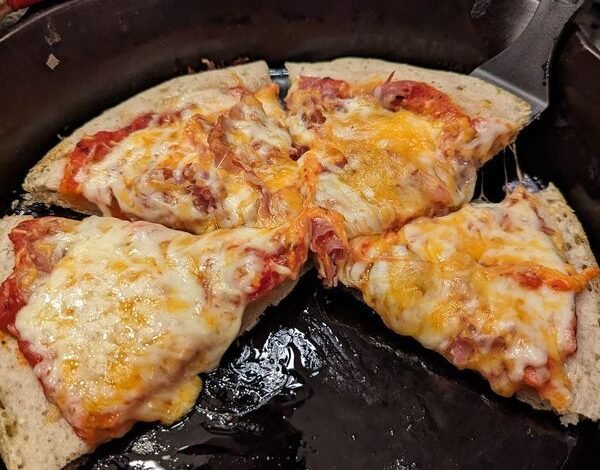
Welcome to the ultimate guide for making a delicious homemade sourdough zerocarb pizza right in your own kitchen. This incredible recipe brings together the deep tangy flavor of traditional artisanal sourdough bread with a completely zero carb pizza crust that fits into any healthy lifestyle. If you have been following a low carb, ketogenic, or carnivore diet, you probably know how difficult it can be to find a pizza crust that actually tastes authentic and holds up to all your favorite toppings. Traditional pizza crusts are packed with refined white flour that raises blood sugar quickly and leaves you feeling tired shortly after dinner. On the other hand, many low carb crust alternatives turn out soggy, weak, or overly dry like cardboard. This special recipe changes everything by combining high protein zero carb ingredients with a natural fermentation technique that creates the famous bubbly texture, golden crispy edges, and savory tangy flavor of real sourdough. You do not need any special baking skills or expensive equipment to master this dish because every single step is designed for complete beginners who want maximum taste with zero fuss.
People all around the world are absolutely falling in love with this recipe because it delivers complete comfort food satisfaction without any of the post meal heavy sluggish feeling. Pizza is one of those deeply beloved family dishes that brings people together around the dinner table on Friday nights or during weekend game days. When you switch to a zero carb or low carb lifestyle, missing out on pizza night can feel like a huge sacrifice that makes healthy eating feel lonely or restrictive. That is exactly why food lovers and health conscious home cooks are raving about this sourdough zerocarb crust. It allows you to enjoy every single bite of gooey melted cheese, rich savory pizza sauce, and crispy browned crust while staying entirely true to your fitness and nutrition goals. The magic lies in the tangy sourdough flavor profile, which cuts through the richness of the cheese and meat toppings to create a perfectly balanced bite that tastes like it came straight out of a wood fired Italian pizzeria.
There are so many wonderful moments and reasons to make this warm sourdough zerocarb pizza for yourself and your loved ones. You might want to cook this dish after a long, intense workout at the gym when your body needs clean protein and essential fats to rebuild muscle and replenish energy levels without unwanted sugar spikes. You might also want to serve this at a weekend gathering with friends who are amazed that a pizza with zero flour can taste this soft on the inside and crispy on the outside. Eating healthy should never mean giving up the emotional warmth and joy that comes from sharing a hot, fresh slice of pizza with people you care about. Making this recipe at home becomes a fun and rewarding kitchen project that fills your entire house with the mouth watering aroma of freshly baked artisan bread, roasted herbs, and rich toasted cheese. Whether you are treating yourself after a busy work week or feeding hungry family members, this recipe turns dinner into a special celebration.
What makes this recipe truly outstanding is how easy and forgiving it is for cooks of any skill level to prepare with total confidence. You do not have to worry about kneading sticky dough for twenty minutes or waiting three days for a traditional wheat starter to ferment in a warm corner. Instead, this modern zerocarb method uses smart pantry staples combined with a quick cultured starter liquid to mimic the exact biochemical tang and light structure of genuine sourdough. The preparation takes only a few simple mixing steps, and the crust bakes up firm enough so you can easily hold a slice in your hand without it bending or collapsing under the weight of your toppings. Once you learn this basic technique, you can customize the toppings with your favorite meats, herbs, and cheeses to create endless delicious variations for lunch, dinner, or meal prep snacks throughout the week. Get ready to discover your new favorite comfort food that nourishes your body while delighting your taste buds in every single bite.
Ingredients You Will Need
To create this delicious sourdough zerocarb pizza crust and topping assembly, you will need simple, high quality ingredients. Each item plays an important role in giving the pizza its light structure, crispy edge, and rich sourdough taste. Here is the full list of ingredients with clear measurement units for easy preparation.
For the Zerocarb Sourdough Crust Base:
-
Liquid Egg Whites: 1 cup (240 milliliters) of pure liquid egg whites at room temperature. This forms the light structural foundation of your dough and provides clean protein.
-
Unflavored Egg White Protein Powder: 1 cup (80 grams) of pure unflavored egg white protein powder. This creates strength, firmness, and a bread like crumb texture without adding any carbohydrates.
-
Ground Pork Rind Flour or Pork Dust: 1 cup (60 grams) of finely crushed pork rinds. This provides rich savory flavor, natural healthy fats, and a wonderful golden crispiness to the bottom of the crust.
-
Shredded Whole Milk Mozzarella Cheese: 1 cup (112 grams) of low moisture shredded mozzarella cheese. When melted into the dough, it gives flexibility and chewy pizza texture.
-
Cream Cheese: 2 tablespoons (30 grams) of full fat cream cheese, softened at room temperature. This adds richness, moisture, and smoothness to the dough mixture.
-
Cultured Lactic Ferment Starter Liquid: 2 tablespoons (30 milliliters) of raw plain kefir, cultured buttermilk, or active probiotic serum. This key ingredient delivers the authentic sour tang of sourdough bread.
-
Warm Water: 0.5 cup (120 milliliters) of clean warm water, heated to roughly 105 degrees Fahrenheit or 40 degrees Celsius. This helps activate the mixture and blends the ingredients evenly.
-
Baking Powder: 1 teaspoon of aluminum free baking powder. This creates tiny air bubbles inside the dough so the crust bakes up airy instead of dense.
-
Fine Sea Salt: 0.5 teaspoon of fine sea salt or pink Himalayan salt to enhance all the savory natural flavors.
-
Garlic Powder: 0.5 teaspoon of fine garlic powder to add a warm aromatic background note to the crust.
-
Onion Powder: 0.25 teaspoon of fine onion powder for subtle savory depth.
-
Italian Herb Blend: 1 teaspoon of dried oregano, basil, and thyme mixture to give the crust classic pizza aroma.
For the Pizza Toppings and Sauce:
-
Zero Sugar Pizza Sauce: 0.5 cup (120 grams) of low carb or zero sugar tomato pizza sauce, or garlic herb butter sauce.
-
Shredded Mozzarella Cheese for Topping: 1.5 cups (170 grams) of freshly shredded whole milk mozzarella cheese for maximum melt and stretch.
-
Aged Parmesan Cheese: 0.25 cup (25 grams) of freshly grated parmesan cheese to sprinkle over the edges for extra crispiness and sharp taste.
-
Pepperoni Slices: 12 to 15 high quality pepperoni slices or cooked Italian sausage crumbles.
-
Cooking Oil Spray: 1 tablespoon of avocado oil spray or olive oil spray to coat your baking parchment paper.
Step by Step Method
Making a sourdough zerocarb pizza at home is simple when you follow these easy steps. Take your time, read through each step carefully before starting, and enjoy the fun process of baking a fresh pizza from scratch.
Step 1: Prepare Your Kitchen Equipment and Preheat the Oven
Before mixing any ingredients, turn your oven on to 425 degrees Fahrenheit or 220 degrees Celsius. If you own a baking stone or a heavy cast iron pizza pan, place it on the middle rack inside the oven right now. Letting your baking stone or pan heat up inside the oven for at least twenty minutes ensures that your crust gets super crispy on the bottom as soon as it hits the hot surface. Line a large round baking tray or pizza screen with a sheet of high quality parchment paper, and lightly spray the parchment paper with avocado oil spray so the dough never sticks.
Step 2: Create the Sourdough Flavor Ferment Base
In a small mixing bowl, combine the warm water, softened cream cheese, and two tablespoons of your cultured lactic ferment liquid such as raw plain kefir or cultured buttermilk. Use a small whisk or fork to beat the mixture together until the cream cheese dissolves completely and the liquid looks smooth and creamy. Let this mixture rest on your kitchen counter for five to ten minutes. This resting time allows the lactic acid cultures to mingle with the warm liquid, developing that bright, mouth watering sourdough tang that makes this recipe so special.
Step 3: Combine the Dry Zerocarb Ingredients
In a large, clean mixing bowl, add the unflavored egg white protein powder, ground pork rind flour, baking powder, fine sea salt, garlic powder, onion powder, and Italian herb blend. Use a dry wire whisk to stir all the dry ingredients together thoroughly for about one minute. Make sure there are no clumps of protein powder or pork rind flour left in the bowl so every slice of your pizza turns out smooth and evenly seasoned.
Step 4: Mix the Dough Components Together
Pour the liquid egg whites into the bowl containing your dry ingredient mixture. Next, add the warm sourdough ferment liquid that you prepared in Step 2. Using a sturdy spatula or hand mixer on low speed, mix the ingredients together in a steady circular motion. As you stir, the egg white powder will absorb the liquid and transform into a thick, smooth batter that resembles traditional bread dough. Gently fold in the one cup of shredded low moisture mozzarella cheese until it is distributed evenly throughout the batter.
Step 5: Rest and Aerate the Sourdough Batter
Allow the mixed dough to sit quietly in the bowl for five minutes. During this brief rest, the protein fibers expand and absorb the moisture while the baking powder creates tiny micro bubbles inside the batter. You will notice the dough becoming slightly fluffy and airy, which is exactly what we want for an authentic sourdough texture.
Step 6: Shape the Pizza Crust on Parchment Paper
Spoon the sourdough batter directly onto the center of your prepared parchment paper. Using the back of a silicone spatula or clean hands lightly coated with oil, gently press and spread the dough outwards into a neat circle that is about twelve inches in diameter. Keep the center of the crust about one quarter inch thick, and push a slightly thicker ridge of dough around the outer border to create a classic pizza crust rim.
Step 7: Pre Bake the Zerocarb Sourdough Crust
Carefully slide the parchment paper with your shaped crust onto the preheated baking stone or hot oven tray inside your 425 degree Fahrenheit oven. Bake the plain crust for twelve to fifteen minutes. Watch the crust carefully through the oven window. As it bakes, it will puff up beautifully and turn a light golden color. The edges should feel firm to the touch when the pre bake phase is finished. Removing moisture during this initial bake is the secret to getting a sturdy, crispy crust that never turns soggy.
Step 8: Add Sauce, Cheese, and Gourmet Toppings
Remove the prebaked crust safely from the oven using oven mitts, and place it on a heat safe counter or wire rack. Spread your zero sugar pizza sauce evenly over the center of the crust, leaving the raised outer rim uncovered. Next, sprinkle the freshly shredded mozzarella cheese evenly over the sauce. Arrange your pepperoni slices or cooked meat toppings neatly on top of the cheese. Finally, sprinkle the grated parmesan cheese all along the outer crust edge to create a golden, crispy cheese ring.
Step 9: The Final High Heat Bake and Broil
Return the topped pizza to the hot oven and bake for another six to eight minutes, until the mozzarella cheese is melted, bubbly, and lightly golden brown in spots. For an extra touch of pizzeria style perfection, turn your oven broiler on high for the last sixty seconds of baking. Keep a very close eye on the pizza during broiling so the cheese melts into a bubbling blanket without burning the crust edges.
Step 10: Cool, Slice, and Enjoy Your Masterpiece
Remove the hot pizza from the oven and transfer it to a wooden cutting board. Let the pizza rest untouched for three to five minutes before cutting. This short resting period lets the cheese settle and allows the crust to firm up to its crispiest state. Use a sharp pizza cutter or large chef knife to cut the pizza into eight equal slices. Serve immediately while hot and enjoy your incredible homemade sourdough zerocarb pizza.
Why This Recipe Is Special
This sourdough zerocarb pizza recipe stands out as a true culinary breakthrough for anyone interested in healthy eating, fitness, or low carb cooking. Traditional pizza has long been considered an unhealthy treat food because of its heavy refined wheat flour base, which causes fast blood sugar spikes, inflammation, and sudden energy crashes. This innovative recipe reimagines pizza from the ground up, replacing empty carbohydrates with nutrient dense proteins and healthy fats while preserving the timeless joy of eating authentic pizza.
First and foremost, the secret weapon of this recipe is the natural sourdough flavor profile. By incorporating a cultured lactic liquid into the egg white and protein matrix, we achieve that complex, tangy flavor that normally takes days of slow yeast fermentation to build in wheat dough. The sour tang cuts through the richness of the cheese and toppings, giving every bite a sophisticated taste that feels like an artisan masterpiece rather than a diet compromise.
Another major benefit is the total absence of gluten, grains, and high glycemic carbohydrates. For individuals living with gluten sensitivity, celiac concerns, or diabetes, standard pizzas are completely off limits. This recipe contains zero net carbohydrates, meaning it will not spike your blood glucose or trigger insulin surges. You can enjoy a full meal with complete peace of mind, knowing that your body remains in steady fat burning mode or balanced energy.
Furthermore, the nutrition profile of this pizza crust is remarkably high in pure protein. Thanks to the combination of liquid egg whites, egg white protein powder, and quality pork rind flour, a single slice provides a robust dose of highly bioavailable amino acids. These building blocks support muscle recovery after exercise, help maintain lean body mass, and keep you feeling completely full and satisfied for many hours after dining. You will never experience late night hunger pangs or sugar cravings after eating this wholesome meal.
Finally, the physical texture of this crust solves the biggest problem found in most low carb pizza recipes. Many cauliflower crusts or cheese only crusts become soft, greasy, or floppy, making it impossible to hold a slice in your hand without it falling apart. This sourdough zerocarb crust bakes into a firm, self supporting slice with a crispy bottom and a soft, airy interior. It holds heavy toppings effortlessly while delivering that delightful crunch every pizza lover craves.
Extra Tips for Better Taste
To help you take your homemade sourdough zerocarb pizza to the absolute highest level of flavor and quality, here are some creative and practical improvement tips from experienced food bloggers.
Tip 1: Shred Your Own Block Cheese Fresh at Home
Pre shredded bagged cheeses sold in grocery stores are coated with potato starch and cellulose powder to prevent the shreds from sticking together in the bag. These anti caking agents add hidden carbohydrates and prevent the cheese from melting into a silky, smooth texture. Buying a block of whole milk mozzarella and grating it fresh at home yields a far superior melt, richer flavor, and zero added starches.
Tip 2: Use a Hot Baking Stone or Preheated Cast Iron Skillet
Heat transfer is essential for achieving a crispy pizza bottom. If you place your dough onto a cold pan in the oven, the bottom cooks slowly and can become soft. Preheating a baking stone or an inverted cast iron pan inside your oven at 425 degrees Fahrenheit for at least twenty minutes guarantees an instant burst of bottom heat that crispys the crust instantly.
Tip 3: Control Moisture in Your Sauce and Toppings
Excess moisture is the enemy of a crisp crust. Choose a thick, low carb pizza sauce rather than a watery tomato sauce. If you choose to add vegetable toppings like fresh mushrooms, peppers, or spinach, saute them briefly in a dry pan beforehand to remove excess water before scattering them over your pizza.
Tip 4: Customize the Sourdough Tang Level
If you love a super sour, sharp sourdough taste, you can increase the amount of cultured lactic liquid or add a tiny splash of raw apple cider vinegar to your dough mixture. If you prefer a milder bread flavor, use plain water with just one teaspoon of cultured liquid.
Tip 5: Brush the Crust Edges with Garlic Herb Butter
Just before putting the pizza into the oven for its final bake, brush the raised outer crust rim with melted butter mixed with garlic powder, sea salt, and minced fresh parsley. This creates an irresistible golden crust with deep aromatic flavor.
Tip 6: Add Extra Seasonings into the Dry Dough Mix
Do not be afraid to experiment with the dough flavor itself. Adding smoked paprika, crushed red pepper flakes, dried rosemary, or grated pecorino romano cheese into the dry mixture adds extra complexity and warmth to the crust.
Tip 7: Let the Pizza Rest on a Wire Rack After Baking
When you take the hot pizza out of the oven, transfer it to a wire cooling rack for three minutes before placing it on a cutting board. This allows steam to escape from underneath the crust, preserving the maximum crispness on the bottom layer.
Tip 8: Reheat Leftover Slices in an Air Fryer or Dry Skillet
If you have leftover slices in the refrigerator, avoid using the microwave, which can make the crust soft. Instead, reheat slices in a hot air fryer at 350 degrees Fahrenheit for three minutes or in a dry skillet on medium heat until the bottom is crispy and the cheese melts again.
Final Thoughts
Baking your own sourdough zerocarb pizza at home is one of the most satisfying culinary achievements you can experience on a healthy lifestyle journey. This recipe proves beyond a shadow of a doubt that you never have to give up your favorite comfort foods in order to achieve your health, fitness, and nutrition goals. With its golden crispy crust, authentic tangy sourdough taste, and high protein richness, this pizza will quickly become a permanent favorite in your weekly dinner rotation. Gather your simple ingredients, heat up your oven, and enjoy every single guilt free bite of this incredible homemade pizza masterpiece.
Nutrition Details
Here is the complete nutritional breakdown for this homemade sourdough zerocarb pizza recipe. The values are calculated for both the total whole pizza recipe and per single serving, assuming the pizza is divided into four generous equal slices.
Comprehensive Nutrition Breakdown:
-
Total Calories: 1280 kilocalories for whole pizza (320 kilocalories per serving)
-
Total Protein: 142 grams for whole pizza (35.5 grams per serving)
-
Total Fat: 76 grams for whole pizza (19 grams per serving)
-
Total Carbohydrates: 4 grams for whole pizza (1 gram per serving)
-
Dietary Fiber: 1 gram for whole pizza (0.25 grams per serving)
-
Net Carbohydrates: 3 grams for whole pizza (0.75 grams per serving, virtually zero carb)
-
Sodium Content: 2450 milligrams for whole pizza (612 milligrams per serving)
-
Calcium Content: 820 milligrams for whole pizza (205 milligrams per serving)
Nutrition Summary Table:
| Nutritional Metric Name | Total Whole Pizza Value | Per Single Serving Value |
| Total Calories | 1280 kilocalories | 320 kilocalories |
| Total Protein | 142 grams | 35.5 grams |
| Total Fat | 76 grams | 19 grams |
| Total Carbohydrates | 4 grams | 1 gram |
| Dietary Fiber | 1 gram | 0.25 grams |
| Net Carbohydrates | 3 grams | 0.75 grams |
| Sodium Content | 2450 milligrams | 612 milligrams |
| Calcium Content | 820 milligrams | 205 milligrams |
Disclaimer
This recipe and the accompanying nutritional information are provided for educational and informational purposes only. Everyone’s body, metabolism, activity level, and dietary needs are unique, so individual nutritional requirements and physical results may vary. The calculated nutritional values are approximations based on standard ingredient databases and may change depending on the specific brands or ingredient substitutions you choose to use in your kitchen. If you have specific health conditions, food allergies, metabolic disorders, or dietary concerns, please consult with a qualified healthcare professional or registered dietitian before making significant changes to your daily eating habits.