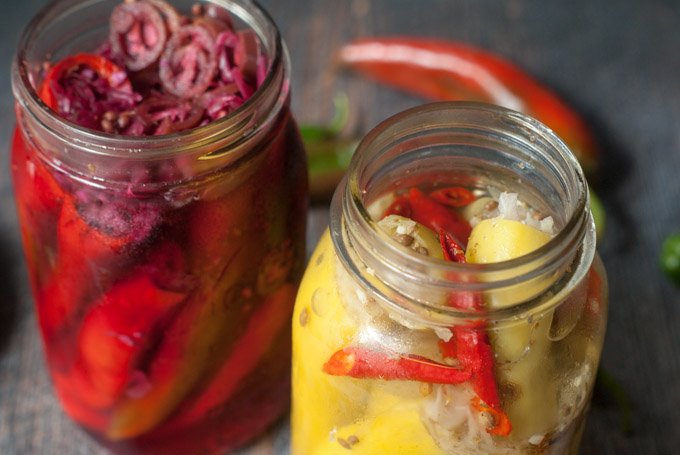
Canning stuffed peppers is a wonderful way to capture the bright flavors of a summer garden and keep them on your pantry shelf for a rainy day when you do not feel like cooking from scratch. This recipe is all about taking fresh bell peppers and filling them with a savory mixture of meat and rice and spices before preserving them in jars using a pressure canner for long term storage. Many people are surprised to learn that you can actually preserve a whole meal like this but it is a time honored tradition that helps families save money and reduce food waste during the harvest season. When you open a jar of these peppers months later the house will smell like a warm kitchen and you will have a healthy dinner ready in just a few minutes of heating time. It is a labor of love that involves careful preparation and a bit of patience but the reward of seeing those beautiful jars lined up on your shelf is worth every single minute of the work. You get to control every single ingredient which means there are no weird chemicals or hidden preservatives that you often find in store bought canned goods at the supermarket.
People absolutely love this recipe because it offers the ultimate convenience without sacrificing the deep and complex flavors of a home cooked meal that has been simmering for hours. There is something incredibly comforting about having a hearty dish ready to go when life gets busy or when you are feeling too tired to chop vegetables and brown meat after a long shift at work. It is also a very popular choice for people who enjoy camping or traveling because these jars are easy to pack and provide a filling meal that feels like a big hug in a bowl. Fans of this method often talk about the texture of the peppers which become soft and tender while soaking up all the juices from the tomato sauce and the seasoned filling during the canning process. The combination of sweet bell peppers and savory beef creates a classic taste profile that reminds many people of their childhood and the meals their grandparents used to make on Sunday afternoons. It is a nostalgic dish that brings a sense of warmth and security to the table which is why it remains a favorite for so many home cooks across the world.
The best time to make these canned stuffed peppers is during the late summer months when the gardens are overflowing with colorful peppers and the prices at the local farmers market are at their lowest point. You might find yourself with a huge surplus of vegetables and canning is the perfect solution to make sure none of that beautiful produce goes to waste before it spoils. Making this recipe is also a great emotional boost because it gives you a sense of accomplishment and pride knowing that you are providing for your future self and your family with high quality food. If you are someone who focuses on fitness and healthy eating having these jars on hand prevents you from ordering greasy takeout when you are hungry and short on time during the week. The balanced mix of protein from the meat and carbohydrates from the rice along with the vitamins from the peppers makes it a complete nutritional package for anyone looking to stay on track with their goals. It is also a fun project to do with a friend or a family member where you can spend the day in the kitchen together talking and laughing while you fill the jars.
When you sit down to eat one of these peppers you will notice how the flavors have deepened and melded together over time while sitting in the jar which is a unique benefit of the canning process itself. It is the kind of meal that tastes even better a few months after it was made because the spices have had plenty of time to fully infuse into the rice and the meat filling. This recipe is a celebration of simple honest ingredients that work together to create something much greater than the sum of their parts in every single bite you take. You will feel a great sense of peace knowing that your pantry is stocked with real food that was made with your own hands and with a lot of care for the people you love most. Transitioning into the world of home canning can feel a little bit intimidating at first but this stuffed pepper recipe is a great way to practice your skills and gain confidence in your kitchen. Every jar you seal is a little gift to your future self that promises a delicious and easy dinner whenever you need it the most without any stress or hassle.
Ingredients You Will Need
To make a large batch of these canned stuffed peppers you will need to gather the following ingredients from your kitchen or the market:
-
Twelve large bell peppers of any color you prefer
-
Two pounds of lean ground beef or ground turkey
-
Three cups of cooked white or brown rice
-
Two large yellow onions finely diced
-
Four cloves of fresh garlic minced very small
-
One quart of tomato sauce
-
Two tablespoons of dried oregano
-
One tablespoon of sweet paprika
-
Two teaspoons of salt
-
One teaspoon of black pepper
-
Two cups of beef broth or vegetable stock
-
One tablespoon of olive oil for sautéing
Step by Step Method
Before you begin you must make sure that all of your canning equipment and your glass jars are perfectly clean and sterilized to ensure safety. Start by washing your bell peppers thoroughly in cold water and then slice off the tops of each pepper and set them aside for a moment. Carefully reach inside each pepper to remove the seeds and the white ribs so that you have a clean hollow space for your filling to go into. In a large skillet or a heavy pot heat the olive oil over medium heat and add your diced onions and the minced garlic to the pan. Cook them for about five minutes until they are soft and translucent while being careful not to burn the garlic which can make the whole batch taste bitter.
Add the ground meat to the skillet and use a wooden spoon to break it up into small crumbles as it browns in the hot pan. Once the meat is fully cooked you can drain away any excess fat if you want to keep the recipe a bit lighter and healthier for your family. Stir in the cooked rice along with the salt and the pepper and the oregano and the paprika until everything is well combined and smells wonderful. Take each hollowed out pepper and pack the meat and rice mixture inside using a small spoon while pressing down gently to make sure there are no large air pockets left at the bottom. Do not overstuff the peppers because they need a little bit of room to expand slightly during the canning process inside the pressure vessel.
Place the stuffed peppers into clean wide mouth canning jars while being careful not to tear the skin of the vegetables as you slide them in. You might need to use quart sized jars to fit the larger peppers comfortably while leaving at least one inch of space at the top which is called head space. In a separate bowl mix the tomato sauce with the beef broth and pour this liquid over the peppers in each jar until they are mostly covered but still respecting that one inch of space at the top. Use a clean plastic tool to gently poke around the sides of the jar to release any trapped air bubbles that might be hiding near the bottom or around the pepper. Wipe the rims of the jars with a damp paper towel to make sure there is no food residue that could prevent a perfect seal during the heating stage.
Place the flat lids on the jars and screw the metal bands on until they are just finger tight but do not force them too hard. Place the jars into your pressure canner which should have about two or three inches of warm water already waiting at the bottom of the pot. Follow the specific instructions for your pressure canner model to vent the steam for ten minutes before bringing it up to the correct pressure for your altitude. Process the quart jars for ninety minutes at the recommended pressure level to ensure that the meat and the vegetables are safe for long term storage on your shelf. Once the time is up turn off the heat and let the pressure drop naturally to zero before you attempt to open the lid of the canner. Carefully remove the hot jars using a jar lifter and place them on a thick towel on your counter to cool down undisturbed for at least twenty four hours.
Why This Recipe Is Special
This recipe is special because it provides a complete and balanced meal in a single jar which is a dream come true for anyone with a busy lifestyle. The bell peppers are a fantastic source of vitamin C and antioxidants which help your body stay strong and fight off illnesses throughout the year. Because you are using a pressure canner you can safely preserve meat at home which opens up a whole new world of possibilities for your food storage and meal planning. The flavors are deep and savory thanks to the combination of fresh garlic and onions and the rich tomato sauce that coats everything inside the jar.
It is a very healthy option because you can choose to use very lean meat and brown rice to increase the fiber content and lower the fat levels. Home canned food like this is special because it does not contain the massive amounts of sodium that are usually found in commercial canned soups or meals. It gives you a great sense of independence from the grocery store and helps you build a resilient pantry that can sustain your family during emergencies or unexpected financial changes. Above all it is a recipe that tastes like home and brings a sense of comfort to the table no matter how many months have passed since you made it.
Extra Tips for Better Taste
To make your stuffed peppers even better you can try using a mix of red and yellow and orange peppers to add a beautiful variety of colors to your jars. Some people like to add a tiny pinch of red pepper flakes to the filling to give it a little bit of heat that wakes up the palate without being overwhelming. You could also experiment with different types of ground meat like ground pork or even venison if you have a source for wild game in your area. If you want a more smoky flavor try adding a small amount of smoked paprika instead of the regular sweet version to the spice mix.
Always use the freshest vegetables you can find because the quality of the raw ingredients will directly impact how the final product tastes after months of storage. Make sure that your rice is slightly undercooked before you put it into the filling because it will continue to soften and absorb liquid during the long processing time in the canner. You can also add some chopped fresh parsley or cilantro to the filling right before you stuff the peppers to give it a burst of herbal freshness. When you are ready to serve the peppers you can top them with a little bit of melted cheese or a dollop of sour cream to make them feel even more decadent and special.
Final Thoughts
Canning your own stuffed peppers is a rewarding journey that connects you to the traditions of the past while serving your modern needs for convenience and health. It is a wonderful feeling to look at your pantry and see rows of colorful jars that represent your hard work and your commitment to eating real food. We hope that this guide makes the process feel easy and approachable for you even if you are brand new to the world of home preservation. Cooking and canning are skills that grow with time and each batch you make will be a learning experience that brings you closer to being an expert in your own kitchen. Enjoy the process and the delicious meals that await you in the months to come.
Nutrition Details
| Nutrient | Amount Per Serving |
| Calories | 280 kcal |
| Total Fat | 9 grams |
| Saturated Fat | 3 grams |
| Cholesterol | 45 milligrams |
| Sodium | 480 milligrams |
| Total Carbohydrates | 32 grams |
| Dietary Fiber | 4 grams |
| Sugars | 7 grams |
| Protein | 18 grams |
| Vitamin A | 40 percent of daily value |
| Vitamin C | 150 percent of daily value |
Disclaimer
Please be aware that canning meat and vegetables requires strict adherence to safety guidelines and the use of a pressure canner to prevent foodborne illness. Everyone has a different body and nutritional needs so it is important to consult with a health professional if you have concerns about specific ingredients. The results of home canning can vary based on your equipment and your altitude and the quality of your ingredients at the time of preparation. This article is meant to provide general information and should be used alongside the manual for your specific canning equipment.